
Pessary Care: What to Know, How to Maintain It, and When to Get Help

Updated: Sep 30
If you've been fitted for a pessary, you might be feeling a mix of relief and uncertainty. Relief because you finally have a solution for your pelvic organ prolapse or stress incontinence. Uncertainty because you're holding this small device and wondering, "Now what?"
You're not alone. Many people feel overwhelmed when they first start using a pessary. The good news? Caring for your pessary is simpler than you might think.
With proper care, your pessary can provide comfortable, effective support for years; but neglecting maintenance or missing warning signs can lead to discomfort and complications.
This guide will walk you through everything you need to know about pessary care;from daily cleaning to recognizing when something's wrong. Let's make sure you get the most out of your pessary while staying comfortable and healthy.
What Is a Pessary and Why Do You Need One?
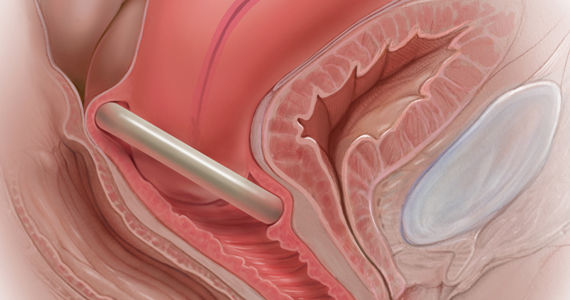
A pessary is a removable device that fits inside your vagina to support your pelvic organs. Most pessaries are made from soft, medical-grade silicone that's safe for long-term use.
Your pelvic floor muscles and surrounding connective tissue normally hold your bladder, uterus, and rectum in place. But pregnancy, childbirth, aging, heavy lifting, or chronic coughing can weaken those structures. When that happens, your organs can slip out of position.
This is called pelvic organ prolapse, and it can cause uncomfortable symptoms like a feeling of heaviness, pressure, or even being able to feel something bulging from your vagina.
Some people also experience stress incontinence, which is when you leak urine during laughing, sneezing, or exercising.
A pessary provides the support your weakened muscles and connective tissue can't. It holds your organs in their proper position, which relieves symptoms and helps you get back to your normal activities without surgery.
In all honesty, many patients haven't even heard about pessaries until they do a deep dive online searching for all of the treatment options to address their symptoms of pelvic organ prolapse and stress urinary incontinence. This is one of the reasons at Shift Physiotherapy & Wellness we recommend an initial assessment prior to a pessary fitting appointment.
During the initial assessment we can answer all of your questions and concerns about pessary use and also conduct a thorough examination to determine whether or not you are a good candidate for a pessary and how likely it is to be successful.
Common Types of Pessaries
Pessaries come in different shapes and sizes. The type you are fit with by your pelvic health physiotherapist affects how you care for it:
Ring pessary: This O-shaped pessary is the most common. It's easy to remove and clean yourself, making it great for people who want to manage their own care.
Gellhorn pessary: This disc-shaped pessary with a stem in the center is used for more severe prolapse. It fills more space in your vagina and provides extra support. Most people need help from their healthcare provider to remove and clean it.
Other types: dish, ring with support, marland, donut, cube, and other specialized pessaries are available depending on your specific needs.
Your pelvic floor physiotherapist will help you get fitted with the right type and size for your body and condition.
Daily Pessary Care: Your Essential Routine
Taking care of your pessary doesn't have to be complicated. Think of it like brushing your teeth: it becomes second nature once you establish a routine.
How to Clean Your Pessary
Regular cleaning is the most important part of pessary care. It prevents infections, reduces odor, and keeps your pessary in good condition.
If you can remove your pessary yourself (like with a ring or cube pessary), you should clean it regularly. You might be required to clean it anywhere from every night to once a week, depending on what your healthcare provider recommends.
Here's how to clean it properly:
1. Wash your hands thoroughly with soap and water
2. Gently remove the pessary (we'll cover technique in a moment)
3. Wash it with mild, unscented soap and warm water
4. Rinse thoroughly to remove all soap residue
5. Dry it completely with a clean lint-free towel or let it air dry
6. Inspect it for any cracks, rough spots, or discoloration
Important: Avoid harsh chemicals and scented soaps. These can irritate your vaginal tissues and damage the pessary material.
Some people prefer to clean their pessary before bed, sleep without it, and reinsert it in the morning. Others keep it in all the time and clean it weekly. Follow your healthcare provider's guidance on what works best for your type of pessary.
How to Insert Your Pessary
Inserting your pessary gets easier with practice. Here's the step-by-step process:
1. Wash your hands with soap and water
2. Apply water-based lubricant to the pessary (never use oil-based products)
3. Find a comfortable position - either lying down or standing with one foot on a stool
4. Stay relaxed. Tension in the pelvic floor muscles will make insertion more difficult
5. Gently separate the skin around your vaginal opening (your labia minora)
6. Fold the pessary (if it's a ring type) and insert it
7. Push it up past your pubic bone, as far as it will comfortably go
8. Wash your hands again
When it's in the right position, you shouldn't feel it. If you feel pressure, discomfort, or like something's not quite right, it may need adjustment.
How to Remove Your Pessary
Removal requires patience and a gentle touch:
1. Wash your hands thoroughly
2. Get in a comfortable position - squatting or standing with one leg up works well
3. Stay relaxed (this is key!)
4. Insert your index finger into your vagina and locate the rim of the pessary
5. Hook your finger under the rim (if you have a ring pessary)
6. Slowly pull the pessary down and out
7. Be careful if you have long fingernails
It is important to note that some types of pessary use suction to stay in place. It is very important to release the suction prior to pessary removal for gellhorn and cube style pessaries.
If you're having trouble removing it, don't force it. Contact your healthcare provider for help. Some pessaries require professional removal, and that's perfectly normal.
At Shift, after your initial pessary fitting, we always want to know how everything is going at home, especially during the first two weeks. At your next follow up we check in to see how your day to day activities went with your new pessary. We also ask patients to try their pessary themselves the night before their follow up. This way you get practice removing your pessary yourself, but if it doesn't go well we have an appointment for removal the very next day! Sometimes it does take a couple of tries with different pessary styles or sizes to figure out what is going to work best for you and your symptoms of concern.
What to Expect When Using a Pessary
Knowing what's normal can help you feel more confident about your pessary care.
Normal Experiences

These symptoms are common and usually nothing to worry about:
Increased vaginal discharge: A white or clear discharge is normal with a pessary. Your vagina produces more vaginal discharge when using a pessary.
Mild spotting after insertion: A tiny bit of pink or brown spotting right after you insert your pessary can happen, especially when you're new to it. It is important to note that any continued spotting is not normal and if this happens it is important that you follow up with your healthcare provider.
Awareness of the pessary: You might feel the pessary slightly when you first get it. This usually goes away as you get used to it.
Shifting during bowel movements: Your pessary might move when you're having a bowel movement. This is actually quite common. If your pessary falls out during bowel movements you may want to follow back up with your physiotherapist to determine if a different pessary is right for you.
What to Do If Your Pessary Falls Out
Don't panic if your pessary falls out - it happens! Here's what to do:
If it falls out during a bowel movement, check the toilet before flushing. If it fell in, fish it out, clean it thoroughly with soap and water. Let it dry completely, wash it again, dry completely, and then reinsert it.
To prevent it from falling out, you can hold your hand at your vaginal opening to block the pessary from coming out.
If your pessary keeps falling out frequently, it might be the wrong size or type. This would be an indication to contact your healthcare provider for a refitting.
Pessary Success Story
Pessaries only work for about 2 out of 3 patients, but when they do work they can be life changing! One of our patients had recently retired and started playing some recreational sports with her friends. Pickleball and golf were her activities of choice.
Unfortunately she was experiencing stress urinary incontinence during golf and pickleball. She had tried pelvic floor physiotherapy before and was diligent with her home program. Unfortunately she only had a mild change in her incontinence symptoms.
The good news is that after a couple of pessary fitting trials we were able to find the right pessary for her that fully resolved her incontinence during her recreational sports!
Warning Signs: When to Get Help
While pessaries are generally safe, you need to know when something's wrong. Don't ignore these warning signs.
Contact your healthcare provider immediately if you experience:
Pain or pressure: If you feel pain, pressure, or discomfort in your vagina or pelvis, your pessary might not fit correctly or could be positioned incorrectly.
Bleeding or bloody discharge: Pink, red, or brown discharge (other than minor spotting for one day after initial insertion) means the pessary is rubbing against your vaginal wall and causing irritation or small wounds.
Foul-smelling discharge: While some discharge is normal, a bad smell may indicate infection. This needs treatment right away.
Trouble urinating: If you're having difficulty peeing, feel like you can't empty your bladder completely, your pessary might be pressing on your bladder or urethra.
Constipation or trouble with bowel movements: Difficulty passing stool during a bowel movement could mean your pessary is putting pressure on your rectum.
Frequent falling out: If your pessary keeps falling out, you may need a different size or type of pessary.
Can't remove or reinsert it: Don't force it. Get professional help.
Fever or chills: A fever along with pelvic pain could indicate a serious infection.
Vaginal itching or irritation: Persistent itching might mean an infection or allergic reaction.
The Importance of Regular Check-Ups
Even if everything feels fine, you need regular follow-up appointments. This isn't optional, it's essential for your safety.
If you can remove and clean your pessary yourself, you should still see your healthcare provider every 6 to 12 months for a clear speculum examination to check your vaginal tissues. If you can't remove it, you will need to go for a pessary care appointment every 3 to 6 months.
What Happens at Check-Ups

During these visits, your provider will:
• Examine your vaginal walls for any scratches, sores, or irritation
• Check that your pessary is still the right size and type
• Inspect the pessary for wear and tear
• Clean it professionally if needed
• Make adjustments if your body has changed (due to weight gain or loss, surgery, etc.)
These appointments catch small problems before they become big ones. Don't skip them, even if you feel great.
When Your Pessary Needs Replacing
Pessaries don't last forever. Most need to be replaced every 3 to 5 years, depending on the type and how well you care for it.
Signs your pessary needs replacing include cracks, rough spots, unusual texture changes, discoloration, or if it's become less effective at managing your symptoms.
Quick Reference: Pessary Care Checklist
Daily/Weekly:
• Clean with mild soap and water
• Inspect for damage
• Use water-based lubricant for insertion
Monthly:
• Check for any changes in comfort or effectiveness
Every 3-12 Months:
• Schedule professional check-ups
• Get professional cleaning if needed
Every 3-5 Years:
• Replace your pessary
Get Expert Pessary Care and Fitting in Edmonton
At Shift Physiotherapy & Wellness, we specialize in pelvic floor physiotherapy and pessary fitting. Our experienced team understands that every person's body and needs are different, and we take the time to find the right pessary solution for you.
We offer comprehensive pessary services, including professional fitting, education on proper care and maintenance, regular follow-up appointments, and ongoing support as your needs change. Our pelvic floor physiotherapists work with you to create a complete treatment plan that may include pessary use, pelvic floor exercises, and other therapies.
Whether you're new to pessaries or need help managing the one you have, we're here to support you every step of the way. We'll make sure you feel confident and comfortable with your pessary care.
Ready to get started?
Book your pessary fitting consultation today. Visit shiftptwellness.com or contact us to schedule your appointment.
Let us help you find comfort and confidence again. You deserve personalized care that puts your well-being first.


