
TMJ Physiotherapy Edmonton: How Physio Helps Reduce Jaw Pain and Tension
Jaw pain, clicking, headaches, and facial tension are more common than many people realize. For some, the discomfort is occasional. For others, it interferes with eating, talking, sleeping, or concentrating at work. These symptoms are often linked to the temporomandibular joint, commonly referred to as the TMJ.
TMJ Physiotherapy in Edmonton focuses on identifying the source of jaw dysfunction and addressing it through targeted, evidence based treatment. At Shift Physiotherapy & Wellness, physiotherapy helps reduce pain, restore normal jaw movement, and relieve tension that often extends beyond the jaw itself.
Key Takeaways
TMJ disorders can cause jaw pain, headaches, neck pain, and facial tension
Jaw symptoms are often linked to posture, stress, and neck mechanics
TMJ Physiotherapy focuses on movement, muscle balance, and nervous system regulation
Early treatment can prevent symptoms from becoming chronic
Physiotherapy offers a conservative, non invasive approach to TMJ management
What Is the TMJ?

The temporomandibular joint connects your jaw to your skull and plays a key role in speaking, chewing, yawning, and facial expression. It is one of the most frequently used joints in the body.
Because of its complexity and frequent use, the TMJ is sensitive to muscle tension, joint irritation, and movement dysfunction.
Understanding TMJ Disorders
TMJ disorders, often referred to as TMD, occur when the joint itself, the surrounding muscles, or both are not functioning properly.
Common TMJ related symptoms include

Jaw pain or stiffness
Clicking, popping, or grinding sounds
Difficulty opening or closing the mouth
Headaches or migraines
Facial pain or ear discomfort
Neck and shoulder tension
TMJ symptoms may come and go, or they may gradually worsen over time if left untreated. At Shift, we most commonly see patients who have pain in the jaw with activities like chewing hard or chewy foods, yawning, and talking for long periods of time. This is commonly seen alongside increased joint noises like popping or clicking and sometimes even decreased mouth opening. Often upon further assessment, these patients also experience headaches and neck pain or stiffness that coincides with jaw pain or are triggered by jaw-related activities such as chewing, talking, or yawning.
Why TMJ Pain Happens
TMJ pain rarely has a single cause. Instead, it often develops due to a combination of factors that affect how the jaw and surrounding structures function.
Common contributing factors include
Jaw clenching or teeth grinding
Stress and muscle tension
Poor posture, especially forward head posture
Neck or upper back dysfunction
Previous trauma to the face, jaw, or neck
What Is TMJ Physiotherapy?
TMJ Physiotherapy is a specialized area of physiotherapy that focuses on assessing and treating the jaw, facial muscles, neck, and upper spine.
Treatment does not focus only on the jaw itself. Instead, physiotherapists look at how posture, movement patterns, and muscle tension contribute to symptoms.
Most commonly, we see long-term issues that develop in the TMJ from posture and habits like clenching or grinding. At Shift, we explain that physiotherapy is not only going to give treatments and exercises to help improve range of motion, strength, and resilience around the jaw to decrease pain, but we will also talk about some of the root causes of TMJ dysfunction and how you can modify these habits to prevent recurrence.
How TMJ Physiotherapy Helps Reduce Jaw Pain and Tension
A Thorough TMJ Assessment
TMJ Physiotherapy begins with a detailed assessment to understand the source of your symptoms.
This assessment may include:
Jaw movement and alignment
Muscle tension in the jaw, face, neck, and shoulders
Postural assessment
Cervical spine mobility
Symptom triggers such as chewing, talking, or stress
A comprehensive assessment allows treatment to be tailored to your specific presentation rather than applying generic jaw exercises.
Manual Therapy for TMJ Dysfunction
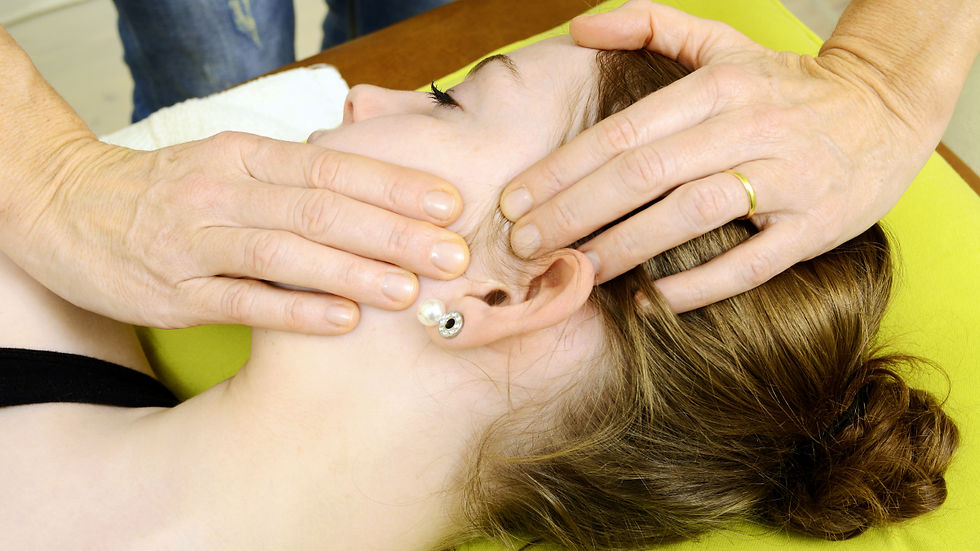
Manual therapy is commonly used to reduce muscle tension and improve joint mobility.
This may include:
Gentle intra-oral or extra-oral joint mobilizations
Soft tissue release of the jaw and facial muscles
Neck and upper back manual therapy
At Shift, we employ a combined manual therapy and exercise-based treatment approach for TMD clients. We find that manual therapy techniques like intra-oral work and dry needling have an excellent and fast impact on pain and symptoms, while exercise therapy can help create long-lasting relief and prevent recurrence.
Targeted Exercises and Movement Retraining
Exercise plays a key role in long term TMJ recovery. Physiotherapy focuses on restoring controlled, pain free movement of the jaw.
Exercise programs may include:
Jaw coordination and control exercises
Postural strengthening
Neck and upper back mobility exercises
Relaxation and breathing strategies
Addressing Neck and Posture Related Factors
TMJ symptoms are rarely isolated to the jaw. Poor posture and neck dysfunction can significantly increase jaw tension.
Physiotherapy addresses:
Forward head posture
Shoulder and upper back stiffness
Muscle imbalances contributing to jaw overload
The Power of Education in TMJ Recovery
The strongest research evidence for the treatment of temporomandibular disorders is actually education. Education on self-management and oral habit training can reduce pain in TMD with a similar effectiveness to other non-operative strategies or symptom management such as splinting.
At Shift, we prioritize teaching you about:
• How your habits contribute to jaw tension
• Strategies to manage symptoms day-to-day
• Ways to prevent symptoms from returning
TMJ Physiotherapy and Stress Related Jaw Tension
Stress often plays a significant role in TMJ symptoms. Jaw clenching and muscle guarding can increase during periods of emotional or physical stress.
Physiotherapists help patients:
Identify tension patterns
Learn jaw relaxation strategies
Use breathing techniques to calm the nervous system
Education and reassurance are key components of reducing pain sensitivity and fear around jaw movement.
What About Jaw Clicking and Popping?
A concern we commonly discuss with patients are the joint noises or loud popping sounds that often occur with opening and closing the mouth. For many people, this sound can be distressing or uncomfortable, but it is not always a sign of something harmful or negative.
With treatment, we aim to resolve symptoms like decreased jaw range of motion, locking, and pain. However, clicking sensations often remain even after other symptoms improve. This is normal and usually not a cause for concern.
When to Seek TMJ Physiotherapy
You may benefit from TMJ Physiotherapy if you experience:
Persistent jaw pain or stiffness
Clicking or locking of the jaw
Headaches linked to jaw tension
Facial pain with no dental cause
Neck pain alongside jaw symptoms
Early intervention often leads to better outcomes and reduces the risk of chronic symptoms.
TMJ Physiotherapy in Edmonton at Shift Physiotherapy & Wellness
At Shift Physiotherapy & Wellness, TMJ Physiotherapy in Edmonton is focused on personalized care, education, and long term relief. Treatment plans are tailored to your symptoms, goals, and daily demands.
Physiotherapy may be provided alongside dental or medical care when appropriate to ensure comprehensive support.
How Long Does TMJ Physiotherapy Take?
Recovery timelines vary depending on symptom duration, contributing factors, and individual response to treatment.
Some people notice improvement within a few sessions. Others may require longer term care, especially if symptoms have been present for months or years.
Consistency with exercises and awareness of habits plays a significant role in long term success.
Ready to Reduce Jaw Pain and Tension?
TMJ pain can significantly impact quality of life, but it does not have to be something you simply live with. TMJ Physiotherapy offers a conservative, effective approach to reducing pain, restoring movement, and improving daily comfort.
If you experience any of the symptoms described in this article, we encourage you to book in with a physiotherapist for an assessment and get started on a comprehensive program to improve your symptoms.
If you are looking for TMJ Physiotherapy in Edmonton, Shift Physiotherapy & Wellness is here to support your recovery with individualized, evidence based care.
Book an assessment today and take the first step toward a more comfortable, relaxed jaw and improved overall well being.


